The importance of water for the human body
Water functions as a solvent and transport medium. It helps detoxify the body, delivers nutrients to the cells, and stimulates the metabolism and thus calorie burning. Drinking water has a satiating effect and is calorie-free. The water content of the body in an adult is approximately 70 percent. Due to differing muscle mass, the water percentage in women is slightly lower than in men. Expressed in terms of quantity, the body of an average adult contains 43 liters of water. Within 24 hours, a remarkable 1400 liters alone flow into the brain and 2000 liters through the kidneys, which regulate the body's water balance. This is in a healthy balance when the excreted fluid is compensated for by drinking fluids. If a feeling of thirst becomes noticeable, a water deficit is already present. Even a water loss of 10 percent can cause severe deficiency symptoms. Without drinking water, humans can generally barely survive longer than 3 to 4 days. In extreme cases, however, people under special conditions have survived up to 12 days without drinking. The cause of death in cases of water deficiency is predominantly a circulatory collapse. Internal poisoning caused by kidney failure can also be the cause. As a result, the organs can be attacked by toxins without protection until they fail. High air temperatures, diarrhea, as well as sweat-inducing work or athletic activities such as strength or endurance training cause higher water loss and a growing need to drink. For good reason, a glass of water is handed over to drink quickly in cases of discomfort and signs of weakness. After just a short time, the body usually recovers.
Effects of water balance during fitness training
Through sweat, bodily excretions, and breathing, the body loses at least 2 liters of fluid daily. In the process, toxins such as uric acid produced by metabolism in the body are excreted. Water ensures that nutrients and oxygen supply the cells of organs and muscles via the bloodstream. Excessive fluid loss through fitness training must therefore be appropriately balanced by drinking. For this purpose, higher fluid intakes both before and after the workout are advisable. Higher fluid loss quickly leads to the loss of important minerals and salts. A deficiency in sodium and magnesium shows particular effects. During endurance training such as cross-country skiing, jogging, triathlon, or cycling, water bottles are often carried on a hydration belt or bike, or handed out during competitions along the way. Hydration backpacks and holding straps are also commercially available in case a hydration belt becomes annoying due to constant slipping. Having the opportunity to drink according to need during sports is intended to prevent unwanted interruptions and breakdowns due to dehydration.
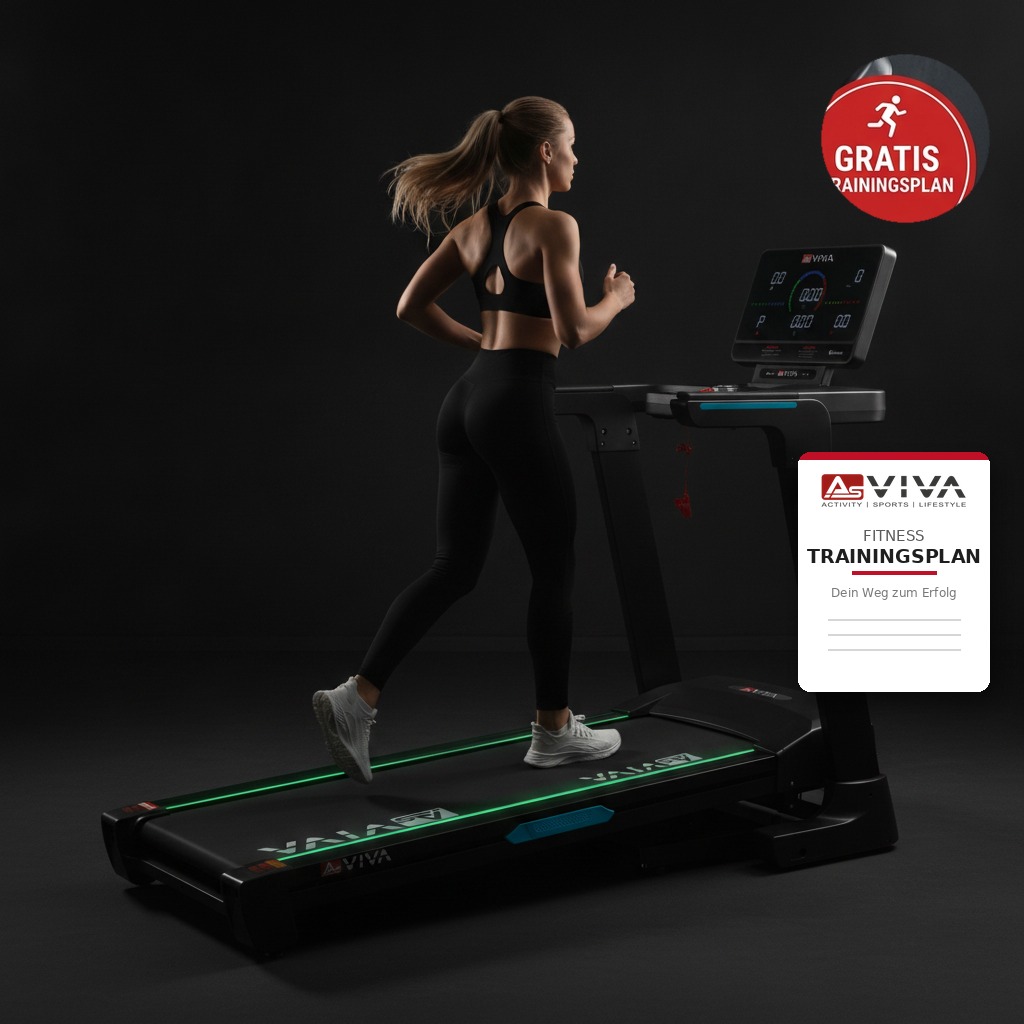
The risk from water and salt loss must be taken into account not only during classic outdoor sports, but also during extended equipment use (Treadmill, Ergometer, Cross trainer, etc.) in gyms. In addition to endurance training, water balance plays an important role in muscle building through strength training with dumbbells, on home gyms, or pull-up bars. Sufficient water creates an essential prerequisite for a functioning metabolism. In addition, adequate water intake optimizes blood flow and thus the supply of oxygen and nutrients for better workout performance. Fluid loss without compensation through drinking can quickly lead to a loss of muscle performance up to cramps and injuries. Nausea and dizziness can also set in. In addition to fluid replenishment with water, the loss of electrolytes must also be balanced by drinking. The most important electrolytes include sodium, potassium, and magnesium as well as chloride, calcium, and sulfate.
Alternatives for improving hydration
Isotonic drinks, still mineral water, or unsweetened fruit teas are often drunk by athletes to quench thirst and compensate for fluid loss. Alcoholic beverages, cola, or coffee should be ruled out during endurance training simply because they have a strong diuretic effect. If you want to increase your daily fluid intake by about one liter while enjoying a pleasant taste, you can turn to trendy mineral or tap water creations infused with lime/mint, blueberries/oranges, or ginger/lemon. Likewise, as a contribution to health and performance, more fluid can be ingested through nutrition: Watermelons, as the name suggests, consist almost entirely of water and have hardly any calories. As water-rich fruits, pineapples and grapes are also recommended in your diet. Cucumbers and tomatoes also have a high water content.
A developing feeling of thirst should never be ignored. The same applies to headaches as a classic symptom of dehydration. In order for consumed liquids to be absorbed by the body as quickly as possible, the drink should be relatively cool. This helps it find its way to the small intestine faster. However, drinks that are too cold could cause gastrointestinal issues. Fluid intake before sports activities should not occur in large amounts immediately before the workout, but rather reasonably distributed some time beforehand. Otherwise, a large intake of fluid immediately before starting training could turn out to be a burden on the body.
Thirst-quenching and healthy drinks:
- ✓ Isotonic drinks
- ✓ Still mineral water (with lime/mint, blueberries/oranges, ginger/lemon)
- ✓ Unsweetened fruit teas
Foods with a high water content:
- ✓ Watermelon, pineapple
- ✓ Grapes
- ✓ Cucumbers, tomatoes
Better to avoid:
Coffee, cola, alcoholic beverages
Recommended fitness equipment for an effective cardio workout:
Cross Trainer & Ergometer AsVIVA C29 Bluetooth
✓ Cross trainer & ergometer function
✓ App compatible with Bluetooth
✓ 21 workout programs
✓ Integrated hand pulse sensors
✓ Smartphone & tablet connection with Bluetooth
more details
Treadmill AsVIVA T18 Pro Bluetooth
✓ Android-based touchscreen
✓ 8-fold 2-layer cushioning
✓ Electronic incline up to 15%
✓ Energy-efficient 7.0 HP electric motor
✓ Integrated hand pulse sensors
more details