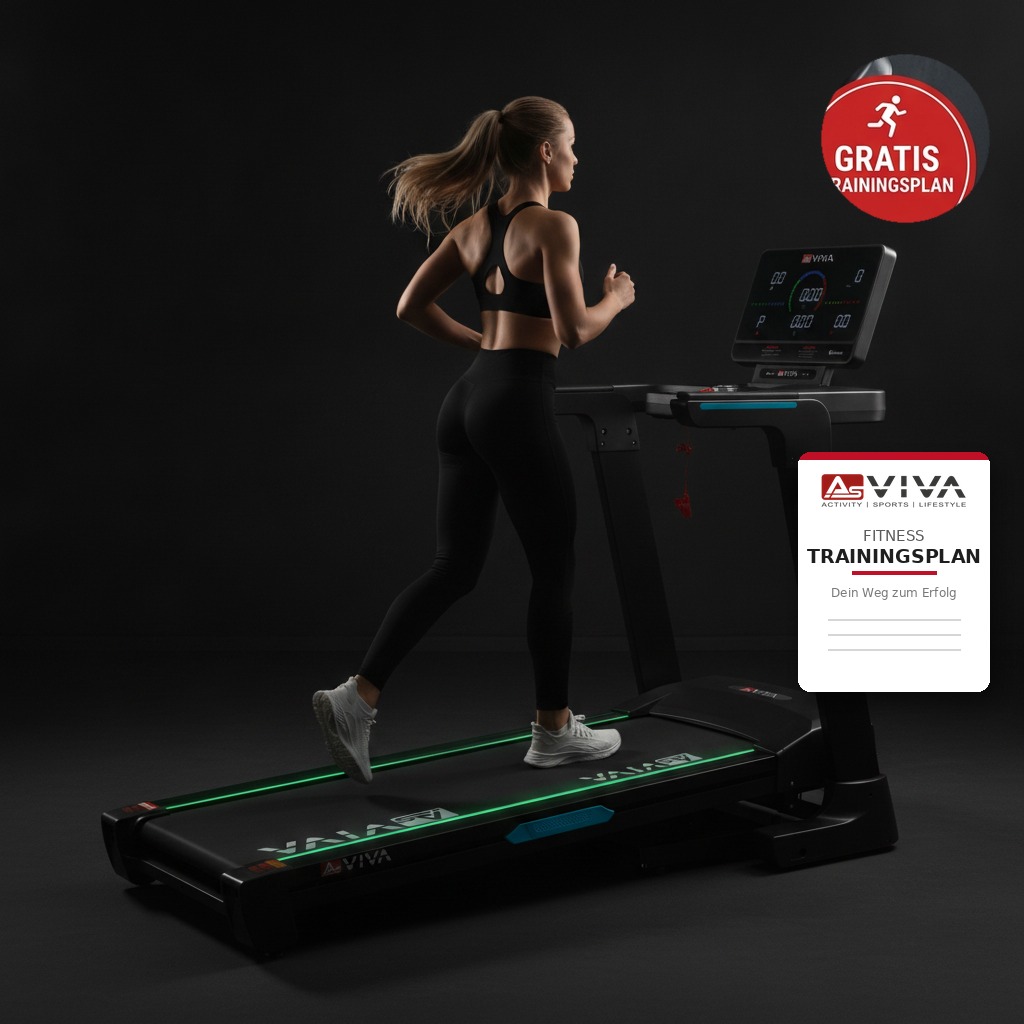
Fitness done right: To the fitness equipment with the right footwear
Comfortable footwear plays an important role in fitness training: a firm footing, maximum mobility, and comfort thanks to an ergonomic fit help you better achieve your fitness goals. Shoes for fitness training should therefore be tailored to the wearer as well as the type of training and fitness equipment.
Thick soles? Better avoid them in the gym!
If you go to the gym frequently, you certainly won't miss looking at the footwear of other athletes. While some simply match their shoes to their workout outfit without paying much attention to quality, others opt for luxury models suited for specific sports. Some athletes will also wear their go-to shoes preferred across all training variations: for instance, a basketball player might wear classic basketball shoes, while a soccer player opts for soccer cleats. Ergonomically, this isn't ideal, because the wrong footwear on exercise equipment can cause unwanted sweating and lead to aching feet and joints. Shoes with thick soles, such as running shoes, are less suitable for the gym. They hinder secure ground contact and thus the solid footing that is essential for many fitness exercises, such as strength training with weights. Only with a solid stance can you perform heavy exercises in these areas ideally and with proper posture. Furthermore, the cushioning of thick running shoes isn't necessary in the gym or at home, since the floor should be level and insulated anyway. The choice of footwear is only secondary when training on fitness machines where firm foot grip isn't critical. Everyday shoes can even be used here.
Thin soles for secure footing - or better barefoot?
Shoes with hard, thin soles are ideal for demanding exercises performed standing or through squats. On the other hand, if you take intense group classes at the gym that involve hopping and jumping, you should ensure good cushioning to protect your ankles. Dance classes in the gym are best completed with special dance shoes or footwear offering high agility for turns. And weightlifters rely on shoes with close ground contact that don't get in the way during deadlifts and similar exercises. Different shoes are best suited for each type of workout. But do you now have to dig deep into your pockets and equip yourself with multiple models? Not necessarily. In many gyms, you see athletes simply doing without shoes and training completely barefoot. Supposedly, even famous personalities like Arnold Schwarzenegger rely on barefoot training. The reason: direct ground contact enables maximum stability, which is essential for lifting heavy weights. However, athletes should be cautious when training without shoes for the first time. The usual cushioning provided by the sole is missing, and the ankle joints are not stabilized by the shoe as usual – creating a completely different feel. This can be disorienting during the first workout, so a cautious approach to barefoot training is important. However, if the thought of barefoot training displeases you or if the gym forbids it for hygiene reasons, barefoot shoes with close ground contact are a great alternative. They mimic the feel of running – and thus training – barefoot almost perfectly.
Tips and tricks for a successful shoe purchase
Various factors play a role in a successful shoe purchase, especially when it comes to fitness shoes. Attention should be paid not only to the sole, but also to an ergonomic fit. Also keep in mind the type of training you intend to do with the shoes. Running shoes must be adaptable to different surfaces, while weightlifting shoes should offer stability. Body weight and height play a role, particularly with jogging shoes. The higher the body weight, the greater the cushioning should be to ensure a comfortable foot strike in the woods or on paved roads. In general: buy your shoes in the afternoon! Feet change throughout the day and swell slightly toward the evening. Shoes bought in the morning might pinch in the evening and cause painful blisters during training. In addition, you should always try on both shoes of a pair; many people have feet of different sizes and notice a difference during fitting. Another tip is to shop wearing the socks you plan to wear during workouts. Thick cozy socks distort the fit just as much as pantyhose that are too thin.
Source: www.laufschuhe24.com
Recommendations for treadmill training equipment
Treadmill AsVIVA T18 Pro Bluetooth
✓ Android-based touchscreen
✓ 8-fold 2-layer cushioning
✓ Electronic incline up to 15%
✓ Energy-efficient 7.0 HP electric motor
✓ Integrated hand pulse sensors
more details
Treadmill AsVIVA T20 Cardio Pro Runner
✓ Integrated hand pulse sensors
✓ Multifunctional fitness computer
✓ 8-fold multi-layer cushioning
✓ Adjustable incline up to 15%
✓ Energy-efficient 7.0 HP electric motor
✓ Smart folding system
more details