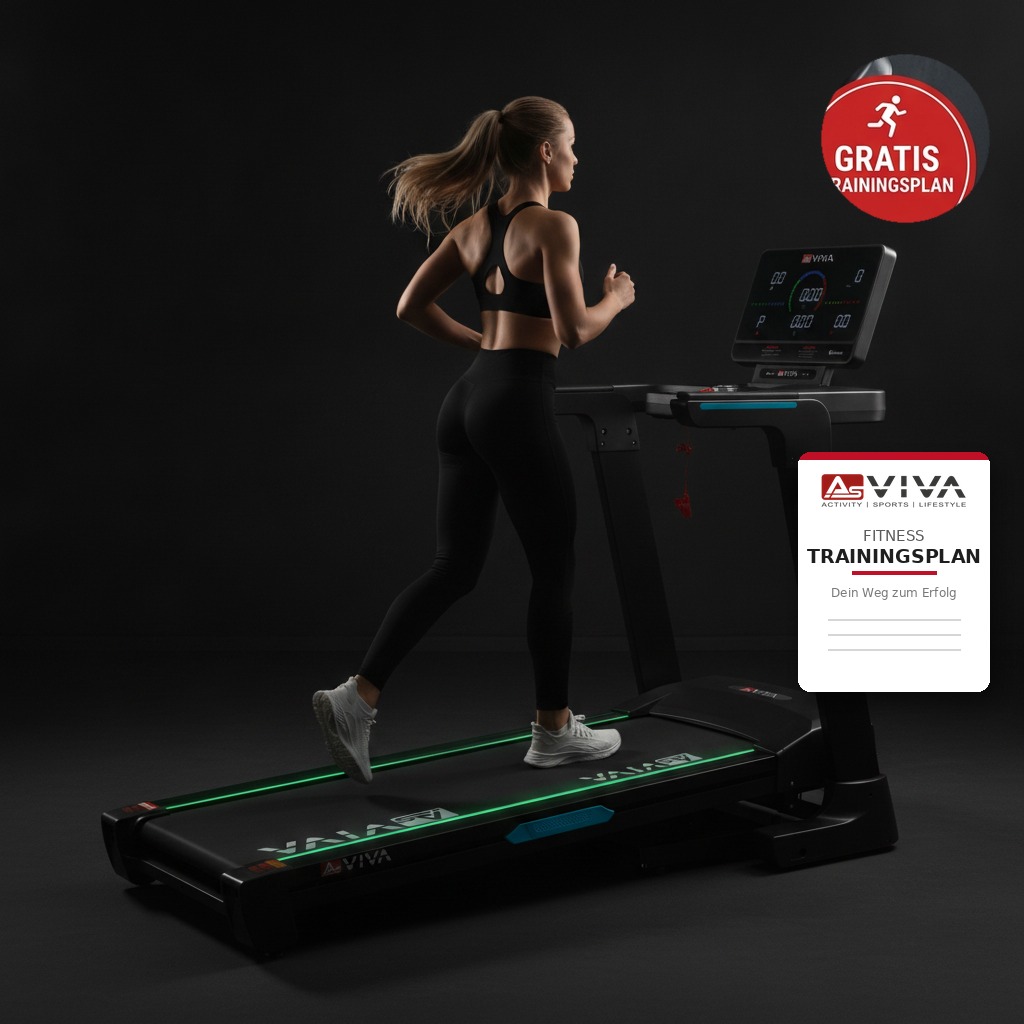
Muscle training aims to strengthen, tone, and build muscles. There are many different ways in which sports activities can benefit the muscles. Increasing the load on muscles strengthens the muscle fibers and makes them more resilient. Over time, strenuous movements that previously caused rapid fatigue become easier for the body. In addition, targeted training improves the long-term performance of the muscles. Furthermore, efficient muscle training leads not only to an increase in performance, but also to improvements in your physical appearance. Muscle training allows you to sculpt your body into the desired shape. Last but not least, your overall state of health benefits from a sweat-inducing muscle workout.
Types of muscle training
There are countless methods when it comes to muscle training. Depending on your needs, they can also be combined or used alternately. Here, we present the most important training methods to help you train the approximately 600 muscles in the human body in the best possible way.
Strength training:
In strength training, as the name suggests, increasing strength is the main focus. Here, a low number of repetitions of an exercise are performed at near-maximum to maximum effort. The muscles are pushed to exhaustion, intentionally inducing muscle failure. This muscle failure signals to the body that it needs to perform better next time to handle the load. Due to the high stress, the muscle cells adapt so that the same task can be accomplished with less effort during the next workout. Strength training creates the well-known muscle pump after a session. The muscles appear fuller than before. They are working. That is the principle of strength training: higher performance through maximum effort.
Strength endurance training:
Strength endurance training can be seen as a kind of compromise between strength training and endurance training. Here, the same level of exertion is handled in increasingly higher doses without forcing the body to give up. This can be done in various ways. For example, you can perform a movement repeatedly within a set period of time and then rest briefly, with the repetitions increasing by one with each round. On the other hand, it is also possible to simply keep performing the same (lighter) movement continuously per time interval. What is important here is correct motor execution of the exercise. Precision comes before speed. In addition, you need to intersperse longer rest periods. It can help if you don't count the repetitions at all. This avoids the self-competition that can easily develop.
Supersets:
Here, two exercises are combined. First, you perform up to five repetitions of a particularly heavy exercise that really challenges the muscles, without driving them to failure. Immediately afterward, you switch exercises. The second exercise is lighter and can therefore be performed in a normal interval set of up to twelve repetitions. Supersets require two different efforts from the body in a short time and are highly effective for flexible strength in the organism.
Why muscle training?
The sluggish, routine daily life of modern humans doesn't leave much room for movement. Nevertheless, we need this movement. We are still, so to speak, evolutionarily obligated to it. Through muscle training, we meet our body's need for movement and promote its health. Just a few minutes a day can provide a huge counterweight to an otherwise sluggish, sedentary work and family life. Many people are also dissatisfied with their appearance, feeling sluggish, out of shape, or unmasculine/unfeminine. Crisp, efficient workouts gradually lead to brilliant results and shape the body so that it feels young and fresh again. They boost self-confidence and steel you for everyday demands. Anyone who works out immediately feels much better in their own skin.
The most important topic for most people is weight loss. Do I go on a diet? Do I take pills? Muscle training is the solution! Muscle training is one of the most efficient methods for lasting weight loss. You don't just burn fat, sugar, and carbohydrates during your workout. In the 48 hours following muscle training, your body continues to work and keep burning fat. To support increased muscle activity, the body has to tap into its reserves. Furthermore, the supply of ATP—the human body's so-called fuel—influences sugar levels. Sugar and carbohydrates are integral components of this fuel and are consumed in large quantities to produce it.
Last but not least, the beneficial effect on overall well-being should not be understated. Engaging in physical activity releases endorphins, leaving you feeling more satisfied afterward. These chemical messengers are not only released during exertion, but also ensure a balanced state of mind long after. In addition, careful, properly executed muscle training can lower blood pressure and help prevent heart disease. An active person not only lives longer and feels happier, but also shapes their body to their liking and feels at peace with their appearance.
Muscle training keeps you fit, lean, and looking great!
August 9, 2016