How helpful is fitness against burnout?
Burnout has now become almost a widespread condition. Everyone knows someone who has had burnout. Or has even been affected by it themselves. In today's article, we get to the bottom of the matter and shed special light on the connection between sports or fitness training and burnout.
What is burnout?
Burnout, or the feeling of being completely "burned out," is a really nasty thing. The worst part is: You don't really notice it. At least not at first. The illness slowly creeps into your life. Often, really very often, an excessively high work stress level over a longer period of time is the initial cause. But it also hits the mother who might be taking care of one or more kids, running the household, somehow juggling a part-time job, and additionally having to support a parent with care or in some other way: All of this takes an incredible toll on energy reserves. You try to juggle everything, but in the process, you lose yourself more and more in what feels like thousands of to-dos. Ultimately, you care less and less about yourself. Maybe unconsciously, but maybe with advance warning. The workout session or the weekly sauna visit is canceled, the movie night with a girlfriend gets canceled. Too tired, too exhausted, at some point you can't bring yourself to do anything at all anymore. The initial energy to tackle things is completely missing. Not just the things that need to be done, but also the things that are good for you, distract you, give you new strength. Everything is infinitely hard; you work yourself to the bone on tasks at work or at home. But you feel like you're on a hamster wheel: Recognition at work for your intense effort that you've been putting into the project for months or even years? Nowhere to be found. Breathing room at home to get your head straight again? Also nonexistent. At least that's the subjective perception. This time factor and this perception of time play an important role. Plus the feeling of complete emptiness. Everything is extremely hard for you, as if someone had tied a 1000-kilo chain to your legs, preventing you from moving from the spot. You lost the strength to move from that spot—or to at least try—a long time ago. "I don't have time for the movies." "I'm too exhausted, sorry." Typical phrases—welcome to burnout. There are truly many physical and psychological signs and symptoms of burnout. Too many to list them all here.
What can you do about burnout? Does exercise help with burnout?
First of all: Preventing things from ever getting to the point where you end up going from a "merely" stressed state into a state of complete and permanent exhaustion, and thus burnout, would be the ideal scenario. But to achieve that, you first have to recognize it. That you are more than just a little or temporarily stressed. The art is, in this moment of stress, to either get outside help or to recognize that you need to do something about it. So that you do not end up with burnout as a result. Once you are in that state of complete emptiness, in which even getting up becomes a major effort or in which physical symptoms such as severe sleep disorders, gastritis, sudden hearing loss, or other issues are more than just a clear warning sign, it is really difficult to find your way out on your own. So get professional help in order to deal with the burnout in the best possible way and to get out of it again. Sports and exercise in general can help us feel better, find new courage, and improve our mood, both prior to a burnout and during a burnout itself. How does that work? Hormones are the magic word here. Through physical activity, messenger substances, neurotransmitters, and hormones such as adrenaline, endorphins, and serotonin are released, all of which have a mood-boosting effect. A study by Tel Aviv University in 2012 (Journal of Applied Psychology 2012) showed that participants who exercised 240 minutes a week were significantly less likely to be affected by depression or burnout.
Which sport or fitness training helps against burnout?
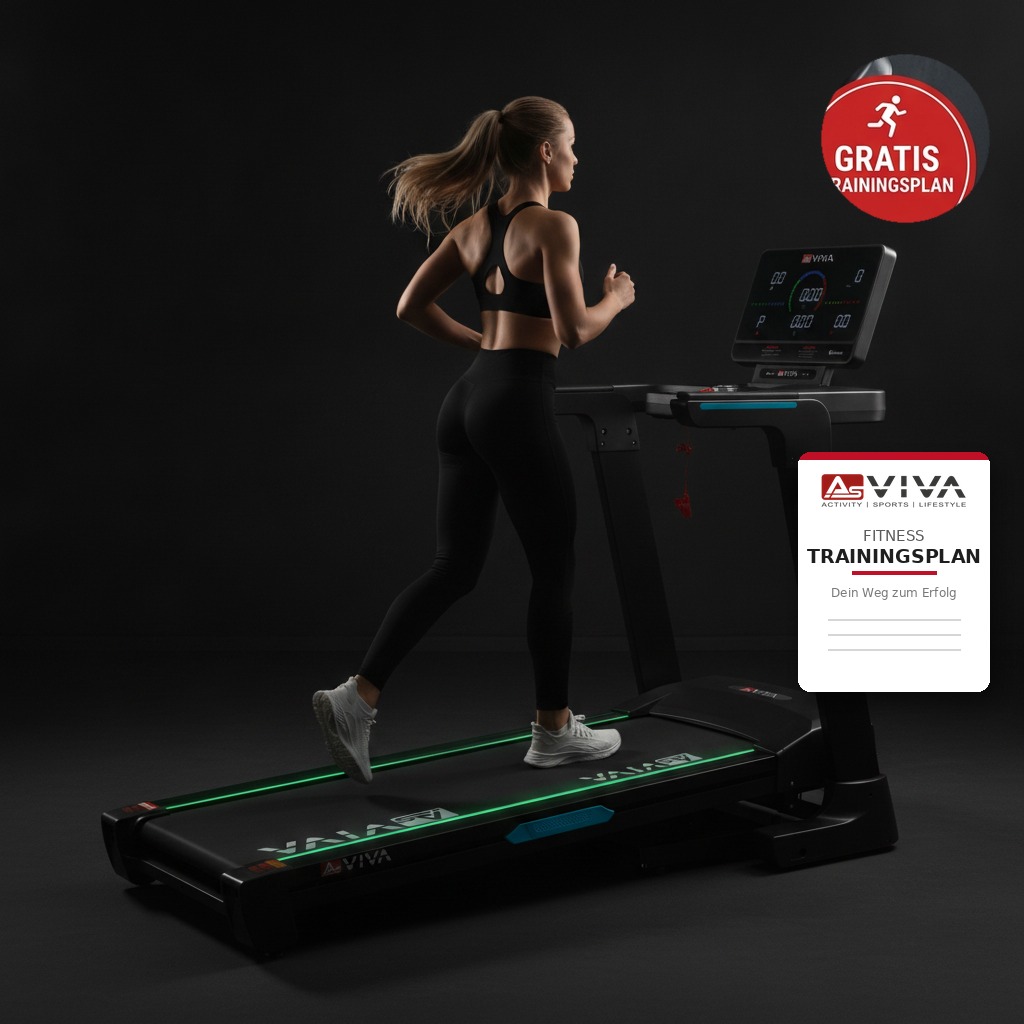
WHAT you do plays a secondary role at first. THAT you get moving at all is what counts! Did you have a really stressful day or a stressful week? Head out into the woods or, if you enjoy hiking, take a longer tour through the forests and fields in your area. Do you love jogging and find it a great way to unwind? Then go for a run. Can you find peace and quiet with yoga? There is burnout yoga or special yoga offers targeting stress, depression, or exhaustion. Make a workout date with fitness friends – because appointments create commitment, forcing you to get going since someone else is waiting. By the way, this also works online in times of Corona: meet up with your workout buddy for a virtual meeting where you both complete your home workout plan together. Do the sport you enjoy most. For one person, jogging is the ultimate activity; the next person cringes at the mere thought of running through the forest for an hour or two. Swimming, walking or power walking in the woods, and cycling are popular "outdoor" sports. If you are more of an "indoor" type who prefers training alone at home, purchasing a good exercise bike , a treadmill , or, if you have enough space, a high-quality rowing machine is a fantastic choice. Nowadays, many treadmills feature multimedia fitness computers on board that guide you along RealView running routes, giving you the feel of running an actual route outside.
Fitness apps can now be integrated as standard virtually everywhere, allowing you to create your own workout plan if you like. Indoor Cycles are also a great option for home training if you are a passionate cyclist and simply enjoy riding. Anything that gets your circulation going and gets you moving in a way you enjoy is allowed. That could be a strength training session on your home gym or a yoga session via an online course or a trusted yoga provider. It could be hiking in nature, going for a swim, cycling, or whatever else you like. Outdoors or indoors, on your own equipment, in the company of other class participants, or just by yourself at first.
So, to summarize once again:
-
Fitness training and exercise/sports can be a fantastic support to effectively counteract impending burnout
-
If you need external motivation, make plans to work out with others
-
Choose the sport that you enjoy so that you stick with it as consistently as possible.
-
Get good fitness equipment for your home workout that is fun and ensures a proper, frustration-free workout
-
If necessary, seek professional help from a psychologist who will work with you so that you get well again
-
Deliberately set aside blocks of time that are just for you: for your workout session, your relaxation session, your leisure plans
You can avert an impending burnout quite well if you recognize in time, or are alerted to it by others, that you are currently heading straight for one. I have gone through all of that myself as well. Afterwards, you definitely recognize the warning signs faster and give yourself a break more quickly, because you realize that it is absolutely necessary now to prevent things from getting worse.
I wish you lots of fun putting together your sports program and during your workout sessions. All the best!