Fat loss is virtually the holy grail for anyone wanting to lose weight. Everyone who wants to lose weight aims for it. Which is logical - after all, nobody wants to lose just water or even muscle mass. No, it has to be fat. Specifically the excess body fat that likes to settle preferably on the abdomen, buttocks, and thighs. Anyone who is now well past their 20s might remember the gym trainer's sentence from 15 or 20 years ago: "Always stay nicely in the aerobic zone, so make sure your heart rate doesn't go higher than xy". So people slaved away on the stepper, the cross trainer, or the treadmill, always striving to stay in that said aerobic training zone.
The fact is, however, that fat metabolism (because that's what former gym trainers were always referring to) and fat loss are two different topics!
Below, we briefly clarify the difference between fat loss and fat metabolism and then give you a few tips along the way that can help you with fat loss.
Fat loss vs. fat metabolism
At this point, you could dive really deep into your body's biochemistry, because an incredible amount happens in your cells during general metabolism.
We'll try to keep it easy to understand here. Basically, there are different metabolic processes that affect your body:
- Sugar metabolism
- Protein metabolism
- Fat metabolism
- Hormones & enzymes
Today, we are mainly focusing on fat metabolism: This takes place in the intestines. There, the fats from your food are broken down into fatty acids, known as triglycerides, and broken down with the help of oxygen. The other metabolic process essential for energy production in your body is sugar metabolism: Carbohydrate molecules are converted by enzymes into smaller sugar molecules. These are stored in the liver's glycogen stores and sent from there to the muscles as an energy source when needed (for example during physical exertion). If your body needs fewer sugar molecules for energy than you consume and store, the body continues to convert these excess molecules. The liver turns these excess sugar molecules into fat and stores these triglycerides "for hard times" in fat deposits. Often in the abdominal region and on the hips.
And now we come back to the so-called fat burning mode, which so many trainers liked to quote back in the day. This simply means that your body primarily uses the available fatty acids to generate energy. Nothing more.
Now let's get to fat loss. You can take this term quite literally: it's all about breaking down body fat. Specifically, the body fat stored in fat deposits. That is, the love handles you carry around on and below your ribs. Here is both good news and bad news. The good news first. In principle, it's totally simple. If you want, you can break it down to a single sentence:
To lose body fat, you need a calorie deficit in your body.
A negative energy balance as the key to fat loss – how do I achieve it?
Sounds simple – but in reality, it isn't so easy. More and more people in Germany and around the globe suffer from obesity. They consume more energy from food than their body needs. The body then stores the surplus in its fat deposits. Now, the easiest response would be to say: “Then I'll just eat significantly less.” So why do most people fail due to the yo-yo effect after a diet or fasting period? Quite simple: because eating little creates more hunger!
And because compulsive weight loss through sheer food deprivation doesn't just attack the body's fat reserves, but also spares no muscle cells.
Incidentally, doing exercise exclusively to lose weight also only works so-so in the long run. It works, often even more effectively than the pure dieting tactic. But it is time-consuming and energy-draining for the body. Because here, too, after intense physical activity, the body demands a rest phase, recovery, regeneration, and a recharging of energy.
In the long run, a combination of both makes sense – exercise and a diet that fills you up, recharges your energy stores, satisfies you, and yet provides far fewer calories! An intelligent mix of effective exercise and simultaneously well-thought-out nutrition is likely the most effective way if your goal is "fat loss".
Since everyone is built differently, every body works differently, and no two metabolisms function identically, you can't rely on charts to dictate what will lead everyone to their desired goal to the same degree. That's why we're sharing our best tips here to help bring you a step closer to your fat loss goal.
Top advice for fat loss:
- Combine effective workout sessions with a smart nutrition plan: exercise boosts your calorie burn, while your diet controls your calorie intake.
- Every little bit helps – activities of any kind add up over the course of a day, a week, and a month: take the stairs instead of the elevator, go for a quick walk around the block during lunch, walk downtown instead of taking the bus or train for just two stops.
- Recovery is crucial: good, sufficient sleep and as little stress as possible help immensely with fat loss.
- HIIT (High-Intensity Interval Training) is great for burning as many calories as possible in a short time. But cardio activities like running (outdoors or indoors on the treadmill), rowing ergometers, or bike ergometers are also excellent choices. Find YOUR sport.
- A calorie deficit that is too high or lasts too long puts your body into a “starvation mode” – it misinterprets this aggressive deficit and lowers your metabolic rate. The result: it slows your fat loss down significantly. Solutions: accept the weight loss plateau and adjust your weight loss plan. Fine-tune your nutrition plan and workout routine if necessary. But the best solution is not letting such a weight loss stall happen in the first place. So avoid extreme diets.
- Hormones play a major role in weight loss: stay calm and relaxed, even if things aren't going perfectly right now. That way, your body and metabolism won't be exposed to stress either.
The author - Melanie
Melanie is a freelance copywriter & proofreader.
She practices functional fitness and occasionally does a CrossFit session. Favorite exercise: deadlifts.
Otherwise, she enjoys Viniyoga, loves cats, and is a fan of matcha and espresso.
Recommended fitness equipment for an effective cardio workout:
Exercise Bike & Ergometer AsVIVA H25 Studio Pro
✓ 6 virtual workout scenes
✓16 workout programs
✓ App compatible with Bluetooth
✓ USB port for video & music
✓ Includes Polar chest strap
more details
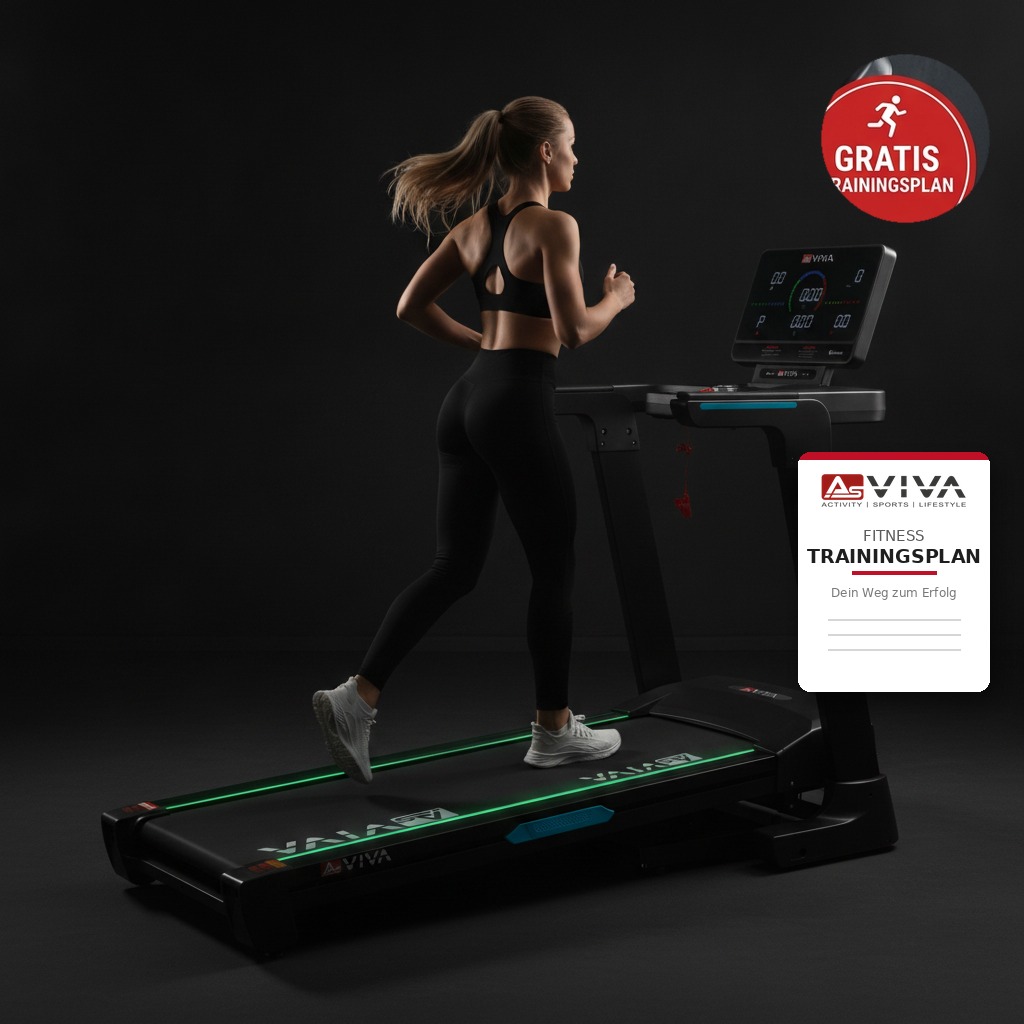
Treadmill AsVIVA T22 Studio Pro
✓ Hand pulse sensors
✓ 19,5" Android Touchscreen
✓ 8-fold - 4-layer cushioning
✓ Adjustable incline up to 21%
✓ Energy-efficient 9,0 HP electric motor
✓ Internet connection via Wi-Fi
more details