What can cause obesity?
In most cases, the cause of obesity can be reduced to two components: too little physical activity and too much food. Put simply, weight gain always occurs when the body burns fewer calories than it consumes. Illness and medication can make things more difficult; long-term, high-dose cortisone or thyroid dysfunctions additionally promote obesity. The line between "chubby" and "overweight" is often fluid – what is considered "still okay," and which value already indicates a pathological change? To clearly assess weight, various measurement techniques have been introduced over the past decades; the most famous is probably the "Body Mass Index BMI", alongside the "Body Shape Index BSI" and the "Waist-to-Height Ratio".
Body Mass Index BMI
As an indicator of obesity, the Body Mass Index BMI is still controversial. On the one hand, the index enjoys great popularity because the calculation is straightforward and can be performed without any prior medical knowledge; on the other hand, essential factors are missing from the formula that distort the result. For example, the BMI only takes into account the total body weight, but not how that weight is composed. For the body, it makes a fundamental difference how high the respective proportions of fat and muscle are – the BMI makes no distinction in this regard. Furthermore, the Body Mass Index takes neither gender nor the proportion of water accumulated in the body into account – the latter being particularly important for patients with edema. Basically, it can be said that the BMI should be taken with a grain of salt. While it may be suitable for getting a rough overview regarding one's weight, a doctor should always be consulted for a detailed analysis of body fat percentage and health risks.
Body Shape Index BSI
The Body Shape Index is a further development of the Body Mass Index, proposed in 2012 by a team of American professors. The calculation takes into account the proportion of abdominal fat in relation to the rest of the body. Since abdominal fat is considered a major health risk, scientists hope to better predict the effects of being overweight through this method. Similar to the Body Mass Index, however, the Body Shape Index also has a major drawback: this calculation cannot be performed on pregnant women.
Waist-to-Height Ratio
The Waist-to-Height Ratio works in a similar way: it aims to provide information regarding body fat distribution through the ratio of waist circumference to height. In addition, it takes age into account and can also be used for children. Of all the measurement methods mentioned, the Waist-to-Height Ratio is considered the most reliable.
What can cause obesity?
Obesity causes and contributes to a variety of diseases. Among the most common risks are cardiovascular diseases – such as heart attack or stroke –, elevated blood lipid levels, thrombosis, cancer, and diabetes, predominantly type II. It is not only the degree of excess weight that plays an important role, but also the way fat is distributed in the body. The "pear shape" found predominantly in women contrasts with the "apple shape" occurring mainly in men. Which type you belong to is genetically determined and cannot be changed.
-
Pear body type: With the pear type, fat typically accumulates around the hips, buttocks, and thighs. The waist is often remarkably slim, the upper body average. While fat distribution of this type is not desirable either, it carries fewer health risks than the apple body type.
-
Apple body type: The apple type stores fat in the chest and abdominal area, whereas the hips and legs are remarkably slender. In most cases, what is commonly referred to as a "beer belly" develops: A spherical belly that strikingly resembles the appearance of a pregnant woman. In many cases, the belly is also disproportionately hard.
Abdominal fat, as seen in the apple shape, carries high health risks. This fat, referred to as "visceral," is stored in the abdominal cavity, close to the digestive organs. Visceral fat produces different chemical messengers than the rest of the body's fat. As a result, it promotes inflammatory reactions and plays a significant role in chronic intestinal diseases (Crohn's disease, diverticulitis), as well as autoimmune diseases (gout, rheumatism, lupus). Cardiovascular diseases and blood formation disorders also occur more frequently in the apple shape; likewise, the risk of cancer is disproportionately high.
What is the most effective way to address obesity?
To combat obesity, it is recommended to exercise regularly and pay attention to diet. Diets, which are often suggested as a solution, are usually not effective in the long run. While they may help with short-term weight loss, they are not a way to maintain weight over time – as soon as you fall back into old eating habits, your weight will rise again. For this reason, a permanent dietary change combined with sufficient physical activity is recommended – only then can you lose weight permanently and protect yourself against the obesity trap. However, not all physical activity is created equal – targeted fitness training has proven to be the most effective.
"Fitness training" generally refers to any activity that promotes or maintains physical performance. The two main pillars include endurance and strength training.
-
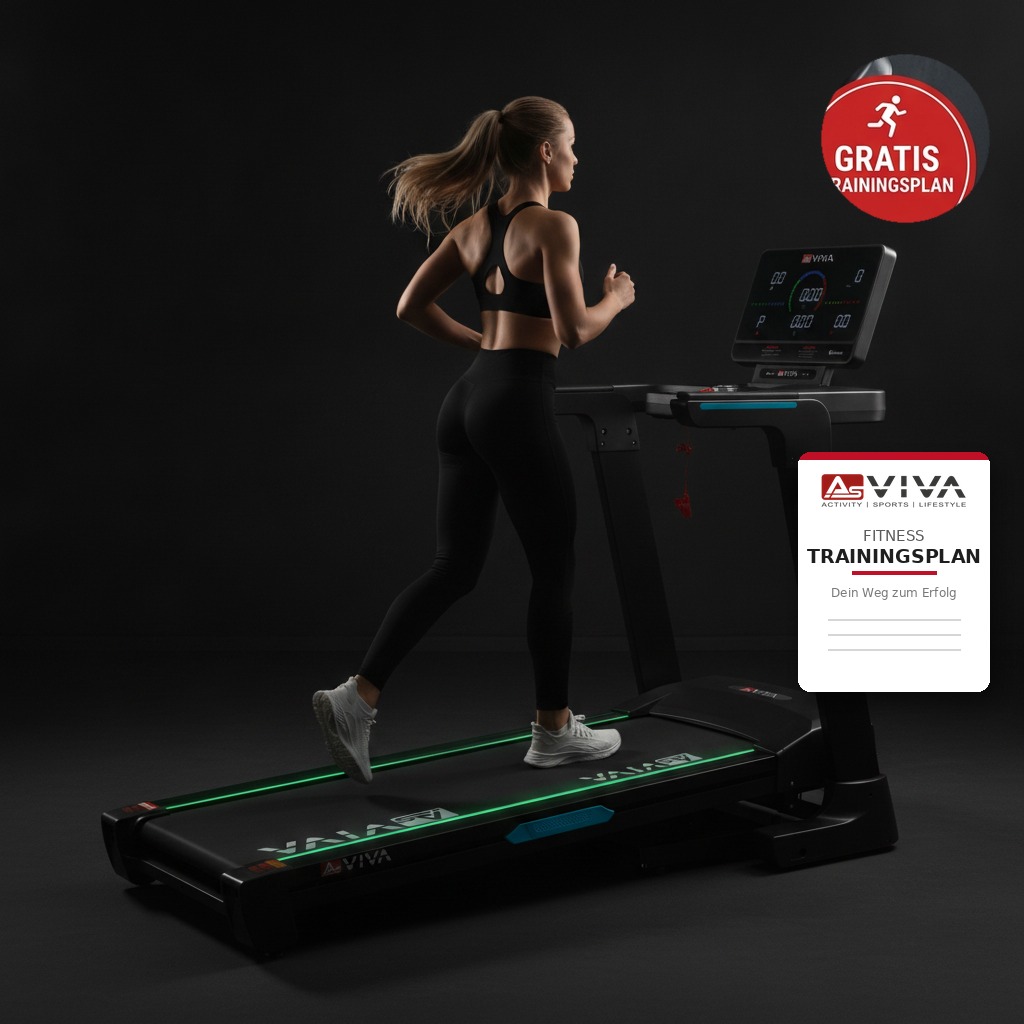
Endurance training: Typically, this training includes walking, running, swimming, or cycling. This type of sport can be performed either in the great outdoors or indoors, for example on a stationary treadmill or via an Indoor Cycle. Latest generation cross trainers are celebrated as an excellent full-body workout, promoting both endurance and coordination.
-
Strength training: Strength training targets specific muscle groups. This type of sport takes place mainly indoors using weights and/or specialized equipment. Ab and back trainers are excellent for strengthening the core, while weight benches especially develop the arm and chest areas. Home gyms are considered true all-rounders, enabling comprehensive training of a wide variety of muscle groups.
A change in diet should primarily aim at the reduction of sugar and fat. Vegetables, fruit and whole grain products should make up the majority of the meal plan, combined with at least one and a half to two and a half liters of water daily.
Recommended for getting started with home fitness training:
Cross Trainer & Exercise Bike AsVIVA C16 Bluetooth red
✓ Integrated pulse receiver
✓ App compatible with Bluetooth
✓ 8-level resistance adjustment
✓ Cross trainer & exercise bike function
✓ Transport wheels (Take-to-Carry System)
more details
Elliptical trainer and ergometer AsVIVA E4 Pro
✓ Integrated hand pulse sensors
✓12 workout programs
✓ Ergometer function
✓ USB port with charging function
✓ Bluetooth interface
more details