How does the BMI work?
The Body Mass Index is calculated using a simple formula: BMI = weight : height2. To calculate your BMI, all you need to do is weigh and measure yourself. The formula was developed by a statistician to better analyze the relationship between health and weight. Today, the BMI is increasingly criticized. Researchers, trainers, and activists sometimes suggest alternative calculations. However, these are more complicated and not standardized. The actual BMI, on the other hand, allows for a quick assessment of body weight. Nevertheless, in addition to the BMI, you should also consider calculating your body fat—especially if your goal is fat reduction through dietary changes or endurance training, for example.
What is considered a normal BMI range?
The World Health Organization (WHO) defines what is considered a normal BMI. According to it, anyone with a Body Mass Index below 18.5 is considered underweight. Overweight starts at a BMI of 25, and obesity at a BMI of 30. However, there are various alternative classifications. Men often have a lower body fat percentage than women. Since fat plays a role in regulating hormones, this has natural reasons. This also affects the desirable BMI: for men, a BMI below 20 can already be critical. However, this always depends on the individual case. These guidelines apply only to adults. Children and adolescents are still growing, and their bodies have different proportions than adult bodies. Therefore, percentile charts are used to classify their BMI.
Measuring body fat
There are various ways to measure your personal body fat percentage. One simple method is using body fat scales. After weighing, these send a mild electrical current through the body. Different types of tissue conduct electricity differently—from this, the scale can calculate the percentage of muscle, fat, water, and bone mass in the body. However, pregnant women, people with fever, pacemaker wearers, and a few others must not use these scales. Body fat scales are practical for everyday use—though sometimes inaccurate depending on the specific model. Measuring body fat is also possible with a specialized tool known as a caliper. The thickness of the fat layer is measured at three points (upper arm, thigh, abdomen). A total value can then be calculated from these measurements.
What should your body fat percentage be?
Once your body fat percentage has been measured, the question is: What does this number actually mean? Here, too, the distinction between men and women as well as between different age groups is important. For women aged 20 to 39, a body fat percentage of 21% to 32% is considered normal. For female athletes, however, this value is between 12–25%. It becomes critical if the fat percentage drops below 12% (according to some sources, below 8%). In this case, unwanted side effects such as amenorrhea (absence of menstruation) are possible. The absence of menstruation alters the hormonal balance and increases the risk of osteoporosis, for example—even in young women. For men aged 20 to 39, 9–20% body fat is normal. On average, men have a less favorable fat distribution than women: in men, fat often accumulates around the abdomen. A beer belly is a health risk because it literally bathes the organs in fat, which can impair their function. Male athletes can have a body fat percentage of 3–15%. Most body fat scales also analyze the proportion of muscle mass. For adult male athletes, a value of over 42% is generally desirable. Women should aim for a muscle proportion of over 38%.
BMI, body fat, and fitness
Athletes who engage in intensive strength training sometimes have a BMI that technically falls into the overweight or obese range—yet they barely have a gram of fat on their bodies. For athletes, it is therefore particularly useful to keep an eye on body fat and muscle percentages in addition to BMI. This applies especially to bodybuilders and weightlifters during strength training. However, a normal Body Mass Index does not automatically come with a better fitness level. Someone who starves themselves thin without exercising can even have a shockingly high body fat percentage. Furthermore, a woman with a BMI of 22 and a body fat percentage of 23% looks leaner than the same woman with a body fat percentage of 30%. Fat reduction can therefore also have a positive effect on physical appearance. If you are carrying extra weight, you should be particularly cautious during workouts. The additional weight puts extra stress on your joints in particular. In addition, a health check-up with a doctor is a good idea anyway when starting a fitness routine.
BMI Calculator
Using our BMI calculator, you can determine your own BMI value.
Enter your details for the BMI calculation
Fitness equipment recommendations for fat burning
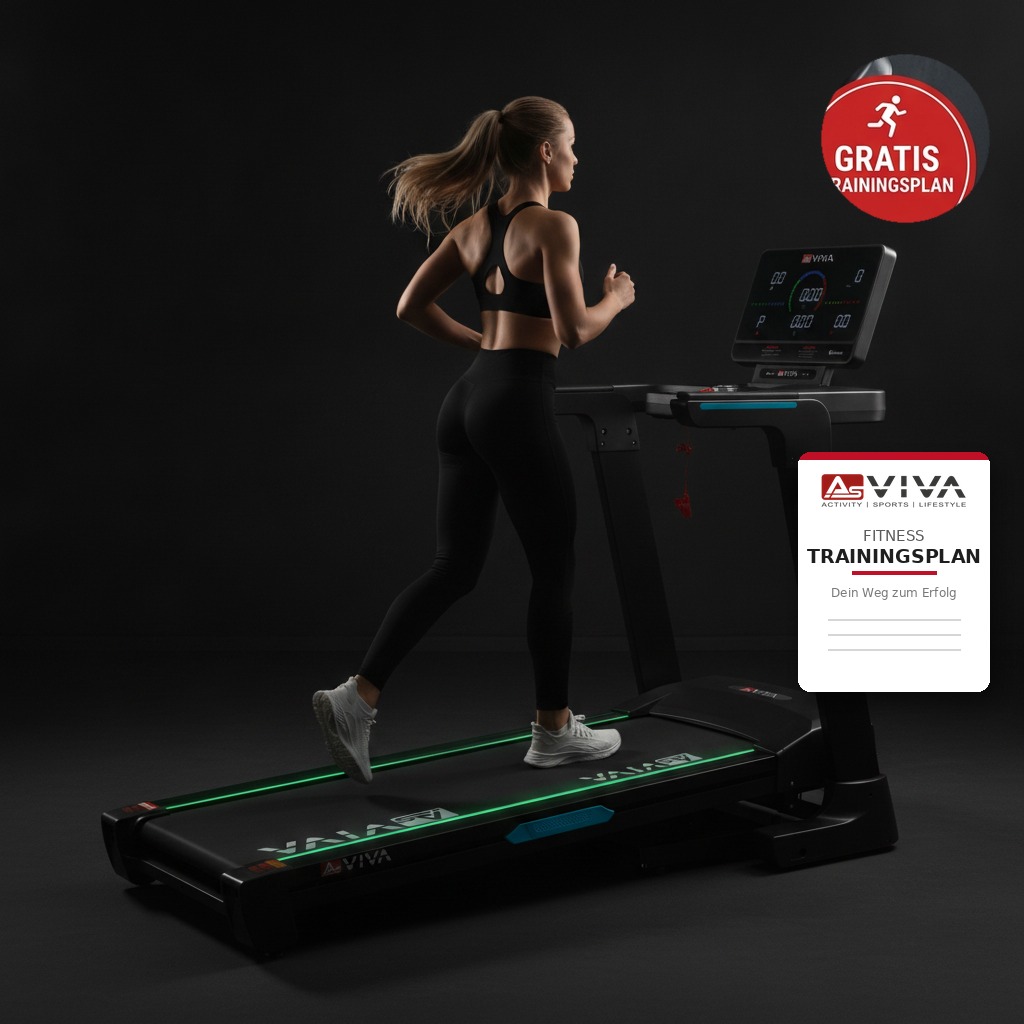
AsVIVA T24 Bluetooth Compact Runner Treadmill
✓ 4-fold multi-layer cushioning
✓ Extremely compact & folds flat
✓ One-Touch Computer
✓ Energy-efficient 2.0 HP electric motor
✓ Includes remote control (control)
more details
Exercise Bike & Ergometer AsVIVA H21 Pro Wi-Fi
✓ 12 workout programs
✓ Polar T34 chest strap compatible
✓ Bluetooth for heart rate measurement
✓ Multifunctional fitness computer
✓ Exercise bike & ergometer function
✓ Internet connection via Wi-Fi
more details