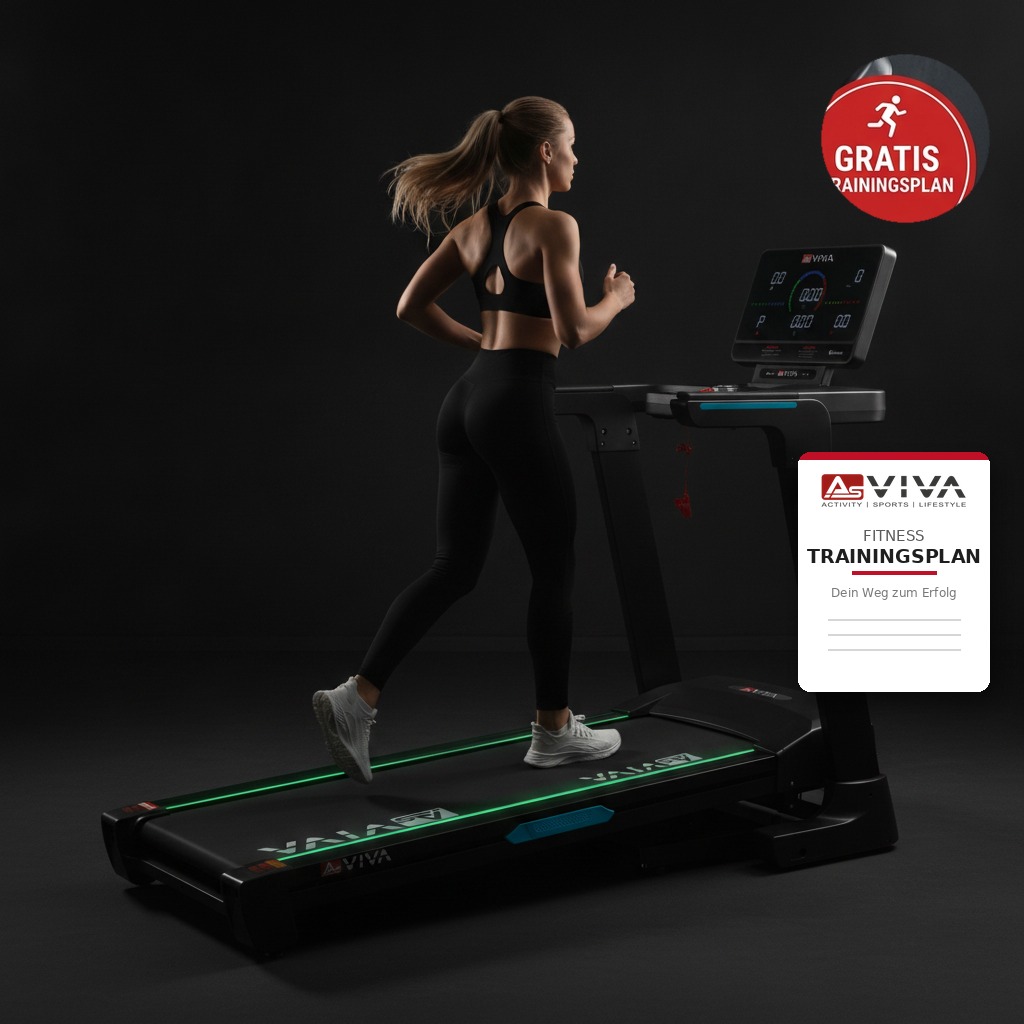
There are various training zones to consider. Endurance training plays a special role. Here, adaptations occur in the aerobic range that affect metabolism and the cardiovascular system. Body adaptations also include energy supply and energy utilization.
The term "endurance" means maintaining a level of performance over a certain period of time – as consistently as possible – and being able to extend that period. This adaptation succeeds – or takes place in a healthy range – if you follow the rough rule of thumb 4 : 2 : 1: the time factor 4 stands for basic endurance, 2 for endurance training below the anaerobic threshold, and 1 for competition intensities. Recreational athletes who do not wish to train in this high range can ignore it: for general cardiovascular fitness and metabolic activation, basic endurance and the endurance range directly above it are completely sufficient.
Adaptation is achieved over a period of rhythmic repetition, as well as an increase or change in stimuli. During recovery, (motor) learning and other adaptation processes of the body take place, for example in energy expenditure. Therefore, recovery is just as important as the training itself.
Basic endurance is the foundation for building sufficient aerobic endurance. Basic endurance lies within a range of about 55-75 percent of maximum heart rate. To determine the training heart rate, a rule of thumb was established stating: 220 bpm (beats per minute) minus age = maximum heart rate. Theoretically, the transition from basic endurance to the next higher endurance zone for a 50-year-old would mathematically be at a heart rate of 128. In a heart rate range below 55 percent of maximum heart rate, no adaptations are achieved. This range serves recovery purposes. In the basic endurance range, energy consumption occurs aerobically - using oxygen. In this zone, energy supply from fats is particularly high. If you want to lose weight or build this foundation of basic endurance, completing long sessions in this zone is recommended.
In the next endurance zone, performance becomes more important. At a heart rate of 80 to 90 percent of maximum heart rate, it becomes more exhausting, but manageable: you should still be able to hold a conversation comfortably, which means you are in the aerobic zone – for a 50-year-old, around a heart rate of 136–153. The higher the heart rate, the harder holding a conversation will be. In this range, further adaptations of the cardiovascular system and metabolism occur, while the proportion of fat metabolism decreases and energy production from carbohydrates increases. Some lactate (or lactic acid) is produced, but can just barely be broken down. Energy from carbohydrates can be supplied faster than from fat burning; however, carbohydrate stores are limited to around 90 minutes. Intervals are recommended in this range of endurance training.
The mentioned rule of thumb for calculating training intensities is only a rough estimate. If you want to know your personal values, you can have performance diagnostics performed by your primary care physician or sports doctor. Statutory health insurance covers these costs every two years. There are also more sport-specific performance diagnostics available at specialized centers, costing roughly 100 euros and up, which must be paid out of pocket. This assesses your current fitness level. The data provides insights into whether you have properly weighted the training zones mentioned above. Training plans or recommendations are created. Interesting for competitive athletes: the anaerobic threshold can certainly be shifted to higher heart rate ranges. Beyond the transition to the anaerobic threshold, shortness of breath occurs, and more lactate is produced than can be cleared. The vast majority of energy comes from burning carbohydrates.
Since performance does not simply exist on its own, it must have a foundation – which lies in muscle training. For endurance performance, sets with maximum force are not effective. It is better to train muscles with three sets of twelve to twenty repetitions.
It is not always possible to train outside. AsVIVA offers a variety of equipment that can be used for endurance training. Many devices work with your own heart rate monitor or feature an integrated system. To provide the body with different stimuli, the devices often feature an interval training program. Steady-state performance can also replace intervals. However, this approach only makes sense once you have completed enough intervals. If you can maintain your performance consistently in the same heart rate and calorie range for two hours, your endurance is sufficient for competitions.
You should drink sufficient liquids before, during, and after training. The market offers various isotonic drink powders. Allergy sufferers can rely on Maltodextrin 12. If you want to make your own isotonic drink, a mixture of 1/3 apple spritzer, 2/3 water, and a pinch of salt is recommended, for example.
Cardio equipment that, in addition to endurance, also slightly trains the muscles in a sport-specific way - but does not replace sets - includes:
• Ergometer / Exercise Bike / Cardio Trainer
• Recumbent Ergometer / Recumbent Bikes
• Indoor Cycles / Speedbikes
• Cross Trainer
• Stepper
• Treadmills
• Rowing Machines
• Vibration Plate
An excerpt of our AsVIVA test winners in cardio training:
Cross trainer
Cross Trainer Test - Test Winner Comparison
http://www.crosstrainer-testbericht.de/testsieger-vergleich/
Elliptical trainer
ExpertenTesten.de - Elliptical Trainer Test 2016 • The 10 Best Elliptical Trainers in Practical Testing
http://www.expertentesten.de/sport-freizeit/ellipsentrainer-test
Exercise Bike Reviews - Top Value for Money
http://www.cross-heimtrainer.de/asviva-ellipticaltrainer-ergometer-cardio-e2/
Ergometer
Sportgeraetetest.de - AsVIVA H12 ergometer in detail
http://sportgeraetetest.de/asviva-h12-ergometer/
Sportgeraetetest.de - AsVIVA H17 ergometer with generator system
http://sportgeraetetest.de/asviva-h17-ergometer-mit-generatorsystem/
Ergometer tests - Mid-range ergometers
http://www.ergometer-tests.de/ergometer-mittel/
Exercise bike
Sportgeraetetest.de - Foldable exercise bikes in comparison
http://sportgeraetetest.de/klappheimtrainer-im-vergleich/
Treadmill
Sportgeraetetest.de - AsVIVA T5 treadmill in detail
http://sportgeraetetest.de/asviva-t5-laufband-im-detail/
Laufband-test.net - The AsVIVA High End Ergo-Cardio V treadmill review
http://www.laufband-test.net/professionell/asviva-laufband-high-end-ergo-cardio-v-testbericht
Laufband.org - AsVIVA Cardio XI treadmill review
http://www.laufband.org/asviva/cardio-xi/
Indoor Cycles
Ergometer tests - Professional ergometer review
http://www.ergometer-tests.de/profi-ergometer
Experten Beraten - Fitness bike review and buying guide
https://www.experten-beraten.de/sport-und-fitness/fitnessbike.html
Rowing machine
Heimtrainer im Test - Rowing machines reviewed 2015: The top 5
http://heimtrainer-im-test.de/rudergeraete/
Sportgeraetetest.de - Top rowing machines: 2015 test winners in comparison
http://sportgeraetetest.de/testsieger/testsiege-rudergerate/
Heimtrainer im Test - AsVIVA rowing and fitness machine Rower Cardio VIII
http://heimtrainer-im-test.de/asviva-rudergeraet-rower-cardio-viii-ra8-im-test/
Experten Beraten - Rowing machine review
https://www.experten-beraten.de/sport-und-fitness/rudergeraet.html
Rudergeraet-Tests.com - AsVIVA RA11 rowing machine review - affordable and high-quality
http://rudergeraet-tests.com/asviva-rudergeraet