Preparation for fitness training - The right warm-up
Warm-up - why is it important?
A warm-up is an important preparatory step before any athletic activity. Physical education teachers tell students this as early as school. These lectures also have a good reason: after all, most sports put stress on joints, tendons, and muscles. Exercising the body without preparation can lead to injuries. Furthermore, a warm-up workout increases performance.
What physiological effects does warm-up training have?
Warm-up training has physiological effects related to human anatomy, which are explained in more detail below.
Joints - must be prepared for strain
Physical activity such as cycling is great for the joints. They get "lubricated," as the saying goes. Indoor sports on fitness equipment such as cross trainers or ergometers are also good for joint lubrication. To avoid joint injuries, an adequate warm-up should be completed before exercise. Warming up contributes significantly to keeping the musculoskeletal system healthy. Joint cartilage expands due to fluid retention, known as an increase in thickness. Furthermore, warm-up exercises stimulate the production of synovia (joint fluid).
Cardiovascular system - get it going slowly
Anyone who exercises from 0 to 100 without a warm-up phase can harm their cardiovascular system. Blood circulation should be brought up to speed slowly in order to avoid a rapid surge in pulse and blood pressure. Targeted warm-ups effectively increase breathing and blood pressure while gradually raising the heart rate. Increasing key functions of the cardiovascular system leads to better oxygen supply to the muscles.
Nervous system - muscle contraction and reaction
Preparing for sports is not only important for the muscles and the cardiovascular system. The nervous system benefits from a warm-up phase. Warming up secondarily increases muscle contraction speed and the reaction time of muscle groups. Nervous tissue passes excitation processes on to the muscles. Warming up primarily allows neural processes to run faster.
Ligaments, tendons, and muscles - energy balance is optimized
A muscle cannot function without the provision of energy. Warming up promotes the supply of energy to muscles and muscle groups. Furthermore, targeted warm-up exercises ensure better blood circulation in the muscles and reduce the risk of injury to ligaments and tendons. Especially before endurance and strength training, performance-critical muscles should be warmed up to avoid muscle fiber tears or worse injuries.
Warming up increases performance
A good warm-up workout ensures an increase in core body temperature and improves muscle performance. In general, warming up increases physical readiness, enabling a more intense workout.
Warming up prepares you mentally for your workout.
Warming up is also an underrated psychological motivator. The preparation phase before exercise can release tension and reduce nervousness before competitive situations. In addition to these effects, the warm-up phase increases enthusiasm for competition or training. Performance is enhanced through proper preparation, making workouts like strength and endurance training more effective. Susceptibility to injury is also reduced by a proper warm-up.
How to design an effective warm-up routine?
A warm-up can be performed on a cardio machine, for example. These fitness machines offer the advantage of starting the warm-up at a low intensity and gradually increasing it. In addition, major muscle groups can be engaged simultaneously with a cardio machine. When using fitness equipment for warming up, a short preparation phase of about 5 to 10 minutes is sufficient. Aside from cardio machines, rowing machines, elliptical trainers, and cross trainers are also ideal for a warm-up.
Effectiveness of rowing machines
A good rowing machine allows fine adjustments and enables a customized workout. The ability to fine-tune intensity is also an advantage for warming up. Fine adjustments help prevent overexertion, allowing older athletes as well as beginners to easily adapt the rowing machine to their performance level.
Effectiveness of cross trainers
A cross trainer provides a joint-friendly workout. The motion executed on a cross trainer trains the whole body. The load can be increased gradually, making it excellent for warming up.
Mobility exercises as a warm-up routine
Mobility exercises refer to training methods that can be performed without equipment and serve to warm up joint structures. Furthermore, mobility exercises promote speed, strength, and endurance. Through these targeted warm-up methods, tendons, muscles, the nervous system, and joint structures are prepared for the upcoming workout load. Effective mobility exercises include:
- Shoulder circles
- Arm circles
- Hula hoop (torso circles)
- Knee circles
- Ankle circles
- Back mobilization
Anyone wishing to perform mobility exercises should not have joint or back problems. Before performing mobility exercises, a fitness trainer should be consulted regarding correct form.
Are stretching exercises useful?
Many people perform stretching exercises before sports like jogging or walking. Opinions on stretching methods vary widely. While some perform the exercises regularly, others consider stretching outdated. Below, we explain whether stretching exercises offer actual benefits.
Just as public opinion on stretching varies, there are also many conflicting studies on the topic. Sports scientists believe that stretching does no harm, but it does not necessarily prevent injuries either. This means that if you have previously stretched joint structures before endurance training, you are not harming your body. However, other methods should be added to warm-up routines to bring the body to the right operating temperature. Stretching exercises are recommended for the neck and shoulder muscles to improve mobility. The exercises do not necessarily need to be performed immediately before physical activities like endurance or strength training. There are exercises that can be easily integrated into everyday life.
Are stretching exercises recommended after working out?
Endurance and strength training can lead to microtrauma (tiny tears) in the muscles, specifically in the muscle fibers. If you stretch right after exercise, you might worsen these tears, resulting in severe muscle soreness. It is recommended to postpone stretching exercises to the next day. If you want to gradually cool down after a workout, you can perform the cool-down phase on an ergometer. Alternatively, a treadmill is great for slowly lowering heart rate and blood pressure after jogging. These gentle cool-down methods can reduce or even prevent muscle soreness. In addition to these exercises, self-massage with a foam roller is a great way to recover after training. Fascial adhesions and tension can be released through self-massage with the foam roller. The muscles remain supple and mobility can be improved. Proper technique with a foam roller should be practiced.
Recommended for getting started with home fitness training:
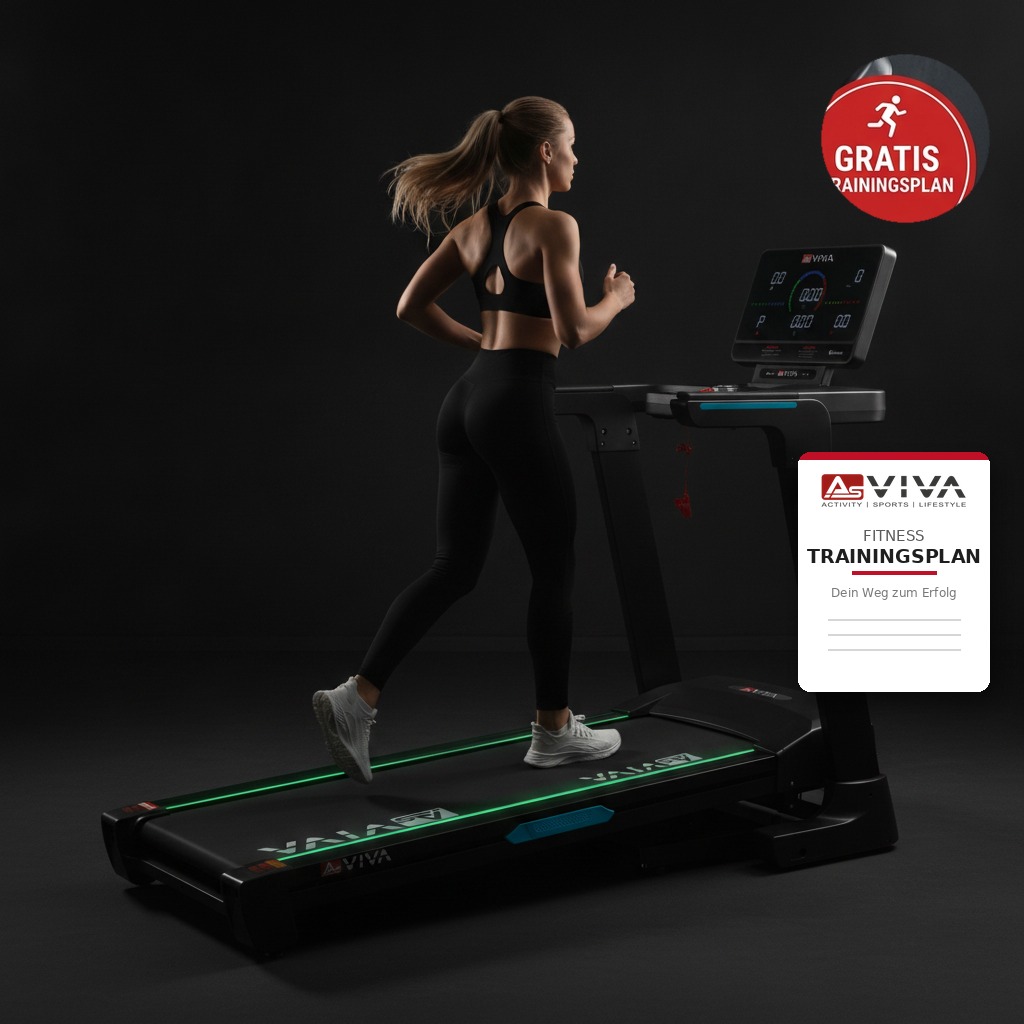
Treadmill AsVIVA T20 Cardio Pro Runner
✓ Integrated hand pulse sensors
✓ Multifunctional fitness computer
✓ 8-fold multi-layer cushioning
✓ Adjustable incline up to 15%
✓ Energy-efficient 7.0 HP electric motor
✓ Smart folding system
more details
Water rowing machine AsVIVA RA18 Water Plane Pro
✓ Powerful water drive
✓ Safety water tank
✓ Computer with Bluetooth interface
✓ Ball-bearing comfort seat
✓ Extra long pull rail
more details