Get your immune system fit for fall and winter
Using exercise to combat coughs, colds, and hoarseness
Cold viruses are lurking everywhere again. Fall and winter are peak cold season. A cold or 'flu-like infection' refers to an infection of the upper respiratory tract that plagues us with a sore throat, runny nose, cough, hoarseness, and often fever and fatigue. Unlike the actual viral flu (influenza), which is caused by flu viruses and leads to a sudden high fever and feeling severe illness, a cold usually starts slowly.
If cold viruses catch up with you, it usually starts with a scratchy throat and difficulty swallowing. This is often followed by a sore throat, headaches, body aches, and fatigue. Cold pathogens inflame the nasal mucosa, causing it to swell and secrete mucus. Your nose runs, and breathing becomes difficult. The typical chills are usually part of a cold as well. If the cold is particularly severe, a fever may also develop.
Incidentally, men actually suffer more from colds than women. So the "man flu" is more than just a myth. The female hormone estrogen boosts women's immune defenses, while the male hormone testosterone makes it harder to produce immune cells. This not only makes men more vulnerable to colds, but they also have to fight them for longer.
As uncomfortable as a cold is, it usually subsides after three to seven days and completely disappears after fourteen days. Medication and home remedies can relieve symptoms and avoid complications; however, antibiotics are not effective for colds. Since colds are caused by specific viruses and not bacteria, antibiotics have no effect here.
To keep coughs and colds from spreading in the first place, you should keep cold viruses at bay as best as possible. But since that isn't always possible, a strong immune system is key to staying fit and healthy throughout the cold season.
Give cold viruses no chance
Paying attention to a few everyday things can help keep cold pathogens at a distance as much as possible.
Washing your hands
Frequent handwashing is a great way to give cold viruses as little target area as possible. That's because cold germs can stick to everything we touch throughout the day and thrive there, sometimes surviving for weeks on doorknobs, newspapers, or banknotes. From there, it's only a short step to the mucous membranes, through which they spread throughout the body.
When washing your hands, water temperature plays no role. Hands get just as clean with cold water, provided you lather them thoroughly for about 20 seconds, without forgetting the spaces between your fingers and the backs of your hands. Now just rinse thoroughly and dry well — done. You should only touch food, prepare meals, or touch your face or mouth after washing your hands thoroughly. You should be a bit more cautious about shaking hands during cold season, as germs are easily transmitted this way too.
Warmth
As the name suggests, chills and feeling cold also contribute to a scratchy throat and a runny nose. Although hypothermia isn't the direct trigger for a cold, it weakens the immune system. When body temperature drops, blood circulation decreases throughout the body — including in the mucous membranes, which then receive fewer immune cells. Dressing warmly and avoiding wet, cold feet already helps not to place additional stress on your immune system. If wet feet can't be completely avoided during rainy and muddy weather, a cup of tea when you get home (with a few squirts of lemon juice for extra vitamins) quickly restores a comfortably warm body feeling. However, you should avoid staying in overheated rooms with dry air. There, mucous membranes dry out, and pathogens accumulated in the warm air have an easy time. Regular brief ventilation (airing out thoroughly) provides fresh air and clear breathing.
Healthy diet
A balanced diet rich in vitamins, minerals, and probiotic products helps fight pathogens. In particular, vitamin C, vitamin D, and zinc should be consumed through plenty of fresh fruit and vegetables as well as whole grain products. Especially during the dark season, a vitamin D deficiency can easily occur, as sunlight helps the body produce this vitamin. A conscious diet can help prevent this deficiency. In addition, immune-boosting remedies made from coneflower, South African geranium, or the moringa tree, as well as homeopathic remedies, can help prevent a cold. Drinking plenty of fluids is also important. Keeping the body well hydrated keeps the mucous membranes moist and ensures good blood circulation. Pathogens are flushed out of the body.
Strong immune system
Anything that strengthens the immune defense increases the chances of avoiding a cold, or at least reducing its duration and the severity of symptoms. In addition to a healthy diet, sufficient sleep, and avoiding excessive stress, regular exercise in particular helps maintain good health.
Exercise gets your metabolism going and boosts your health
What good are vitamins, nutrients, and a conscious diet if healthy substances enter the mucous membranes sluggishly due to a slow metabolism? Through regular exercise, the body gets moving, making it the best way to keep colds at bay. During exercise, blood circulation throughout the entire body is stimulated, making the circulatory system and metabolism more active. Valuable nutrients are transported faster to all organs, and toxins are broken down more efficiently. The body can also detoxify through sweating, getting rid of waste products and pathogens. 20 to 30 minutes daily of sustained exercise help you stay healthy and fit.
No workout during acute illness
However, if a cold has already broken out, rest and low activity are called for, especially if a fever occurs. Fighting off pathogens within the body takes a lot of energy and requires your system's full attention. This is usually signaled by fatigue, which should always be taken seriously. Until the cold subsides, the body needs rest. Exercise and daily training should take a break during this time. Drinking tea regularly and staying in well-ventilated rooms help stimulate blood circulation.
Regular exercise keeps your immune system fit
To prevent it from coming to that in the first place, regular endurance exercise is the most successful method for sustainably boosting immune defenses. Physical activity stimulates white blood cells, which are responsible for immune defense. Self-healing powers are strengthened and many infections are avoided. Exercise is also an effective remedy against the gloomy mood that sometimes sets in when days get darker and shorter. Simply improving blood flow to the brain helps you stay more alert and attentive. Being physically active also stimulates the body's reward system. Messenger substances are released that banish gloomy thoughts and put you in a good mood. Regular training works much like an antidepressant and also reduces stress and muscle tension, which otherwise increase susceptibility to colds.
Workouts in your own four walls
Granted, when it's cold, wet, and uncomfortable outside, it takes a lot of willpower to go jogging or cycling, and who likes going to the gym or taking a walk in the woods when it's already dark after work? Motivation for a workout within your own four walls is much higher. There are a variety of fitness machines that make it easy to do something for your health at home in any season and weather.
With a cross trainer or an elliptical trainer, you can enjoy particularly versatile workouts at home. That's why these training machines are so popular. Moving handles and pedals engage different muscle groups. This means every family member can use these trainers for their personal workout. Whether for endurance training, a fitness routine, or losing weight, the cross trainer is easy to use and gentle on joints. So why not build up your stamina during the winter for your next ski or summer vacation instead of just sitting on the couch?
The classic exercise bike is familiar to most as a home fitness machine. Pedaling on it primarily trains the cardiovascular system. Blood pressure drops and the heart is strengthened. Combined with your favorite music, the fitness routine brightens your mood at the same time. With an ergometer, you can also read your training progress on the display of a mini-computer. Exercise intensity can then be adjusted to your personal fitness level.
If you primarily want to battle winter fat and tone your leg and glute muscles in addition to your fitness routine, you can train with a stepper in your own living room. The device doesn't take up much space and can turn watching your favorite TV show in the evening into a workout session.
An Indoor Cycle or Speedbike also primarily trains leg muscles and is a great alternative to outdoor cycling. Requiring minimal space, it helps improve circulation, train the cardiovascular system, and boost stamina.
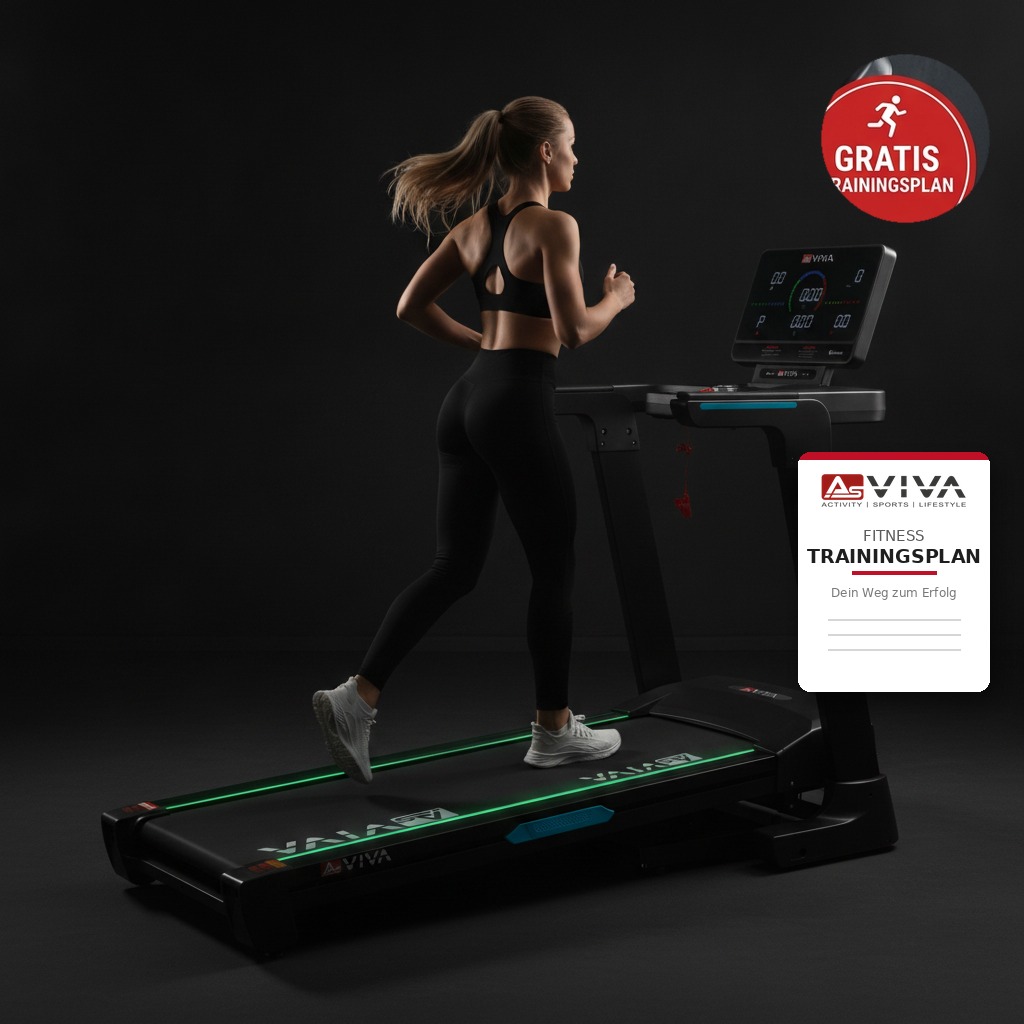
With a treadmill at home, you don't have to miss out on your regular jogging sessions even during snow, fog, and ice. Individual programs allow you to set various levels of difficulty. Everything from relaxed walking and jogging to intense professional workouts can be trained at home. For a comfortable running feel, the deck surface mimics a forest floor. Workouts on a rowing machine burn a particularly high number of calories. If you have enough space for this versatile piece of equipment, you can particularly strengthen your back muscles and boost your fitness in a joint-friendly way. An ab and back trainer requires less space and also allows targeted strengthening of core muscles. Training your fitness here helps prevent back problems and postural defects at the same time.
You don't need to leave home for effective strength training either. With a home gym, you can target specific muscle groups and boost overall fitness. The equipment can be adjusted individually, making it suitable for both weight loss and strength sports. A weight bench is also ideal for targeted muscle building—a space-saving piece of fitness equipment that mainly works with dumbbells and weights and is great for sit-ups. With a vibration plate, which also requires little space, you can simultaneously improve fitness and train coordination and balance. The plate generates vibrations that your body works to stabilize. Every exerciser can strengthen their immune system with regular home workouts, helping protect against coughs, colds, and hoarseness.
Recommended for getting started with home fitness training:
Rowing Machine AsVIVA RA11 Rower
✓ 12kg flywheel mass
✓ Comfort seat
✓ Integrated pulse receiver
✓ Permanent magnet resistance
✓ Manual resistance adjustment
✓ XXL safety pedals
more details
Treadmill AsVIVA T16 Bluetooth Cardio
✓ Hand pulse sensors
✓ App compatible with Bluetooth
✓ 6-fold - 2-layer cushioning
✓ Energy-efficient 3.5 HP electric motor
✓ Includes Polar T34 heart rate belt
more details