The coronavirus pandemic has led to an even more fundamental change in how we work: Many people now work from home for at least part of the week – maybe you do, too. While working from home has its benefits, it can also lead to a lack of exercise and physical activity during the day. This can have serious consequences for our health and well-being, such as back pain or fatigue. So how can you stay fit while working from home? Here are a few tips on how you can incorporate more movement into your workday routine.
The effects of working from home on physical health
Working from home has taken on a whole new dimension in recent years. Get up, walk a few feet to your desk, and then hours of sitting follow—without moving much at all. Walking to the bus and train, riding your bicycle, or walking to the office: all these everyday movement routes are completely gone. The lack of physical activity when working from home can certainly lead to health strain. The effects on our body can include back pain, fatigue, and overall poorer physical fitness. That makes it all the more important to find the right strategies to stay fit even in your home office.
The 40-15-5 rule against back pain
Are you familiar with the 40-15-5 rule? This is a method to keep your body moving while working from home and, for example, to avoid back pain. The rule states that you should interrupt sitting every 40 minutes and stand up for 15 minutes. During these 15 minutes, you can work standing up or simply handle work-related phone calls. Phone calls with headsets are great for walking around the apartment in the meantime. In addition to these standing breaks, it is recommended to incorporate a short 5-minute activity to relieve any tension in the neck, shoulders, or back. The 40-15-5 rule can help keep your body moving, thereby relieving strain on your back as well as counteracting fatigue and exhaustion.
Creating a new commute for yourself
Sounds strange at first, but makes total sense: Create a new commute for yourself. Even if you work from home, that doesn't mean you have to go without a commute of sorts that gives you a little movement before and after work. Simply take a walk around the block before your official workday begins. 10 minutes is enough. Do the same thing again after work. With this new routine, you also establish an adapted daily structure. Your mind learns that it can switch into work mode between these two short movement sessions. Schedule this new type of commute into your work-from-home days. And just like that, you've built a little extra movement around your work routine.
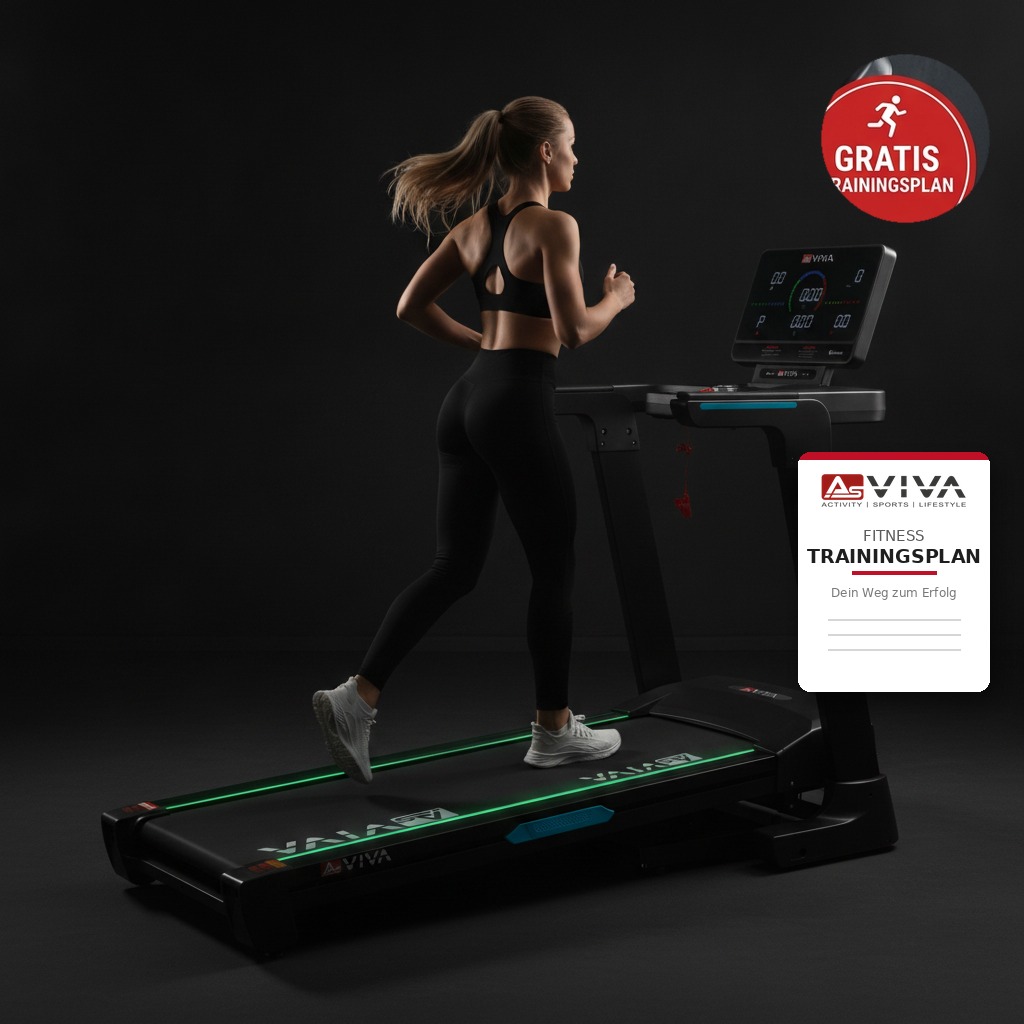
The treadmill is your friend – even during working hours
Did you know that there are small and exceptionally compact treadmills that bring movement right to you while you work? Cutting-edge technology hidden in construction, design, and operation, combined with great flexibility for possible uses. Plus, conveniently foldable and thus easy to store. Such compact treadmills often feature removable handrails, allowing you to place the treadmill conveniently under your desk. Ideally, your desk is height-adjustable. But it works without one, too: there are now many desktop risers available, allowing your working height to adjust while standing and walking. This lets you combine movement and work with minimal effort. Light research on the computer or phone calls can be done while walking on the treadmill at your own chosen pace. A very good investment for your work-from-home days.
5 tips on how to bring more movement into your work-from-home day
-
Why not start a work-from-home day right away with a short movement session when you get up or right after: This could be stretching or gentle yoga to get your body moving before heading to your desk. Or, if you're a runner, intentionally plan your jogging sessions on the days you work from home.
-
Change your working position regularly: There are various options so you don't end up sitting in the same chair for 8 to 10 hours. Exercise balls have long been popular, allowing you to make small compensating movements with your hips to sit upright. This promotes mobility in your lumbar and thoracic spine. Alternatively, there are balance cushions (also called wobble cushions or air cushions) that challenge and promote your core stability by constantly requiring micro-adjustments. On top of that, you can also work standing up.
-
Active lunch break: Go for a short walk after lunch if time permits. During the break, you can also tilt open your workspace windows to let in some oxygen and fresh air. Or establish a routine of light exercises that relax your shoulders, neck, and spine a bit. There are so-called office exercises that can even be done right in your office chair; health insurance providers often have tips available, too.
-
Bring movement into your evening after work: Take a slightly longer walk in the evening or do a session of sports or strength training to burn off energy. This not only relaxes your mind, but also does your likely slightly tense body good.
-
Support from small sports equipment: A balance board or an air-filled balance dome brings variety to your usual sitting routine, trains balance and your core, and promotes movement in your spine. Or you can get yourself a compact exercise bike to pedal a round on after work.
As you can see, with a few clever adjustments to your daily schedule and routine, as well as the right equipment like a compact treadmill, it's totally possible to bring more movement into your home office. This way, you can continue working well from home in the future while challenging and loosening up your body a little before and after all that sitting.